ZAM — sometimes labeled ZM on a coating spec sheet — sits at the premium end of the coated-steel coil lineup, positioned above standard Galvalume in corrosion performance and price. The name refers to its coating chemistry: zinc, aluminum, and magnesium combined into a single alloy coating applied to steel coil. That third element, magnesium, is a relatively small addition by weight, but it changes the coating's real-world performance more than the percentage alone would suggest.
The Coating Chemistry Behind ZAM
ZAM coating typically consists of roughly 90-96% zinc, 1-8% aluminum, and 1-4% magnesium, applied to steel through a hot-dip process similar in concept to standard galvanizing but with a meaningfully different alloy formula. The specific composition and testing requirements are documented in JIS G3323, the Japanese Industrial Standard governing hot-dip zinc-aluminum-magnesium alloy-coated steel sheet and strip, alongside the equivalent ASTM A1046/A1046M specification used in the US market.
• Zinc remains the primary corrosion-protection component, just as it is in standard galvanized (GI) coating
• Aluminum content improves coating adhesion and adds a degree of heat and oxidation resistance
• Magnesium is the key differentiator — even in small percentages, it significantly changes how the coating behaves when damaged or exposed at cut edges
Why Magnesium Makes Such a Difference
The corrosion-protection mechanism in any zinc-based coating relies on the zinc corroding preferentially, protecting the underlying steel — this is why a scratched galvanized panel doesn't rust immediately at the scratch point the way bare steel would. Magnesium enhances this self-healing behavior specifically at damaged areas and cut edges, where coated steel panels are most vulnerable to corrosion starting.
• Manufacturer and industry testing reports ZAM coating delivering roughly 10 to 20 times the corrosion resistance of standard hot-dip galvanized coating in comparable exposure testing
• The improvement is most pronounced specifically at cut edges, scratches, and fastener penetrations — the exact locations where a roofing panel is most likely to experience coating damage during fabrication and installation
• This cut-edge protection matters more in practice than the headline corrosion-resistance multiplier suggests, since real roofing installations inevitably involve cut panel edges and fastener penetrations regardless of how carefully a system is installed
ZAM vs. Galvalume: Where They Differ
Both ZAM and Galvalume improve meaningfully on standard GI galvanized coating, and both are common choices for coastal and high-corrosion-risk roofing applications, but they aren't identical in performance or cost.
• Galvalume's aluminum-zinc alloy (roughly 55% aluminum, 43.5% zinc) provides strong general corrosion resistance and good heat reflectivity, meeting ASTM A792
• ZAM's zinc-dominant alloy with added magnesium provides superior cut-edge and fastener-point protection specifically, meeting JIS G3323 or ASTM A1046
• ZAM generally costs more than Galvalume, reflecting its more specialized coating chemistry and typically more demanding manufacturing process
• For most standard Florida residential roofing applications, Galvalume delivers strong practical performance; ZAM's advantage becomes most valuable in the highest-corrosion-risk applications described below
Where ZAM Coating Is Worth Specifying
Given its cost premium over Galvalume, ZAM coating is most commonly specified where its particular strengths — extreme corrosion resistance and superior cut-edge protection — solve a specific problem rather than serving as a general upgrade.
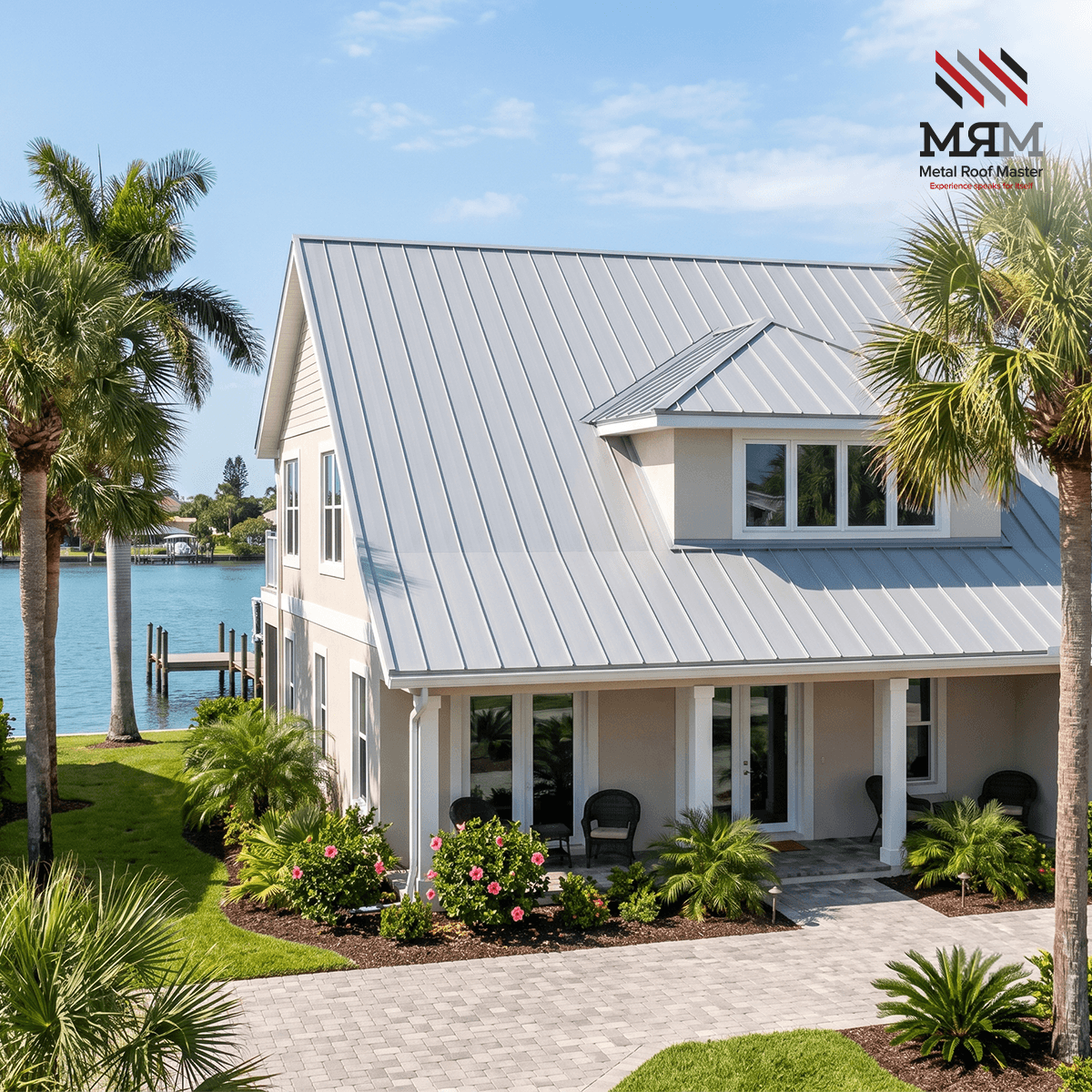
• Extreme coastal and marine-adjacent properties where even Galvalume's corrosion resistance may not provide the desired long-term margin
• Industrial applications with chemical exposure beyond typical atmospheric conditions, where ZAM's broader corrosion resistance profile has documented advantages
• Projects with unusually complex panel geometry involving more cuts, penetrations, and exposed edges than a standard roof, where cut-edge protection specifically has outsized practical value
• Premium architectural projects where ZAM often serves as the base substrate for high-end color-coated finishes (marketed as ZM Color or PPZM), combining maximum corrosion resistance with premium appearance
Lead Time and Availability Considerations
Because fewer mills produce ZAM coil compared to standard GI or Galvalume, availability and lead times can be less predictable, particularly for smaller orders or non-standard gauges. This is worth factoring into project planning if ZAM is being considered for a time-sensitive project.
• Confirm current lead times with your supplier early in the planning process rather than assuming ZAM ships as quickly as more commonly stocked Galvalume coil
• For projects where timeline flexibility is limited, weigh ZAM's performance advantage against Galvalume's typically faster and more predictable availability
Confirming You're Getting Genuine ZAM Coating
Because ZAM is a specific, standards-defined coating chemistry rather than a generic marketing term, it's worth confirming any quoted ZAM material against actual documentation rather than assuming the label alone guarantees the full standard's performance.
• Ask for mill test certificates confirming the coating composition and coating weight against JIS G3323 or ASTM A1046 specifications
• Confirm which specific standard the material is certified against, since slightly different formulations and testing regimes exist between Japanese, American, and European standards bodies
• A PPGL steel supplier or ASTM certified steel coil supplier offering documented ZAM coil, not just a general "premium coating" claim, gives you a verifiable basis for the added cost
How ZAM Is Manufactured
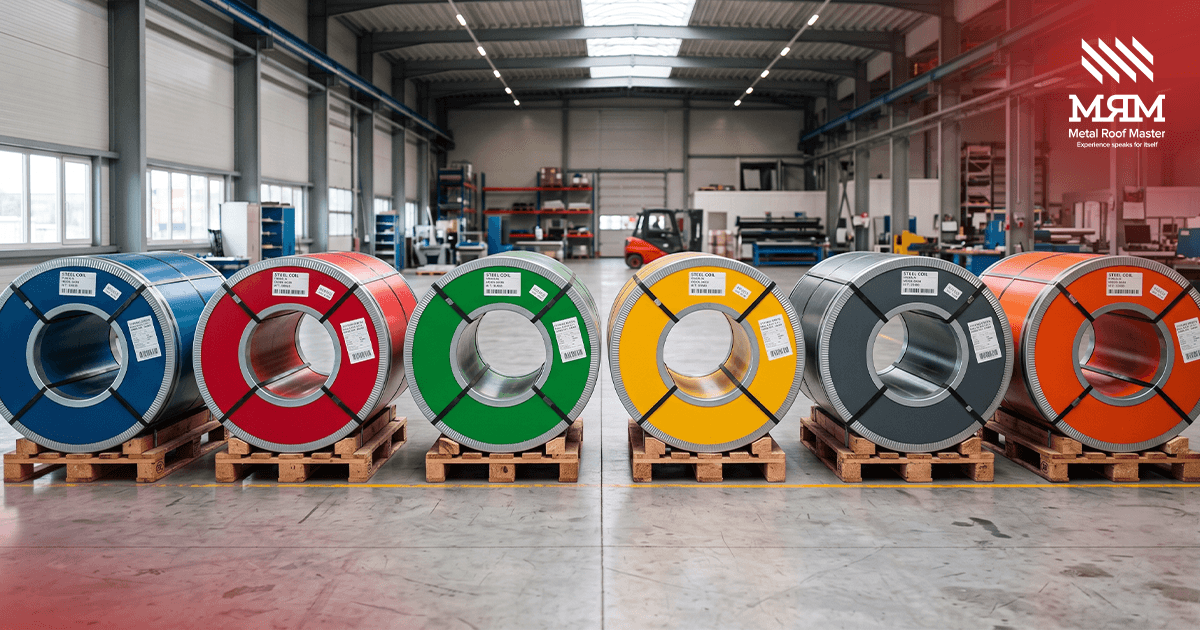
ZAM coating is applied through a continuous hot-dip process similar in overall concept to standard galvanizing: steel coil is cleaned, then passed through a molten bath of the zinc-aluminum-magnesium alloy, forming a metallurgically bonded coating on both sides of the strip. The precise alloy bath composition and line speed are controlled closely, since even small variations in magnesium content affect the coating's crystalline structure and resulting corrosion performance.
• The molten bath temperature and coating thickness are controlled to produce a consistent coating weight across the coil, typically measured and specified in grams per square meter, similar to how Galvalume and GI coating weights are specified
• Post-coating treatments (such as chromate-free passivation) are sometimes applied to further enhance corrosion resistance or improve paint adhesion for coil destined to become a PPGL-style pre-painted product
• Because the manufacturing process is more specialized than standard galvanizing, fewer mills produce ZAM coil compared to standard GI or Galvalume, which is part of why lead times and sourcing options can be more limited for ZAM material
ZAM in Combination With Painted Finishes
ZAM's strong base corrosion resistance makes it a common substrate choice for premium pre-painted products, since the underlying metallic coating's performance directly affects how well the finished painted panel holds up over its service life, particularly at scratches and cut edges where paint alone doesn't fully protect.
• ZM Color (also called PPZM) pairs ZAM's corrosion-resistant base with a factory-applied paint system, often using PVDF chemistry for maximum UV and weathering performance
• This combination is frequently specified for premium architectural roofing where both appearance and long-term corrosion performance are priorities, rather than choosing between the two
• The added cost of ZAM as a substrate is compounded by the cost of a premium paint system on top of it, making ZM Color one of the higher-cost options in the overall coated steel product range
Frequently Asked Questions
What does ZAM stand for in roofing material?
ZAM refers to a zinc-aluminum-magnesium alloy coating applied to steel coil, offering stronger corrosion resistance than standard galvanized (GI) coating, particularly at cut edges and fastener points, due to the added magnesium content.
Is ZAM better than Galvalume for roofing?
ZAM generally offers stronger cut-edge and fastener-point corrosion protection than Galvalume, but costs more. For most standard Florida residential applications, Galvalume delivers strong practical performance; ZAM's advantage is most valuable in extreme coastal or industrial exposure.
How much more corrosion resistant is ZAM than standard galvanized steel?
Manufacturer and industry testing commonly reports ZAM coating delivering roughly 10 to 20 times the corrosion resistance of standard hot-dip galvanized (GI) coating in comparable exposure testing, with the advantage most pronounced at cut edges and scratches.
What standards govern ZAM coating specifications?
ZAM coating is specified under Japan's JIS G3323 standard and the equivalent ASTM A1046/A1046M specification used in the US market, both covering the coating's chemical composition, coating weight, and mechanical testing requirements.
Does ZAM coating work well with painted finishes?
Yes, ZAM is a common substrate for premium pre-painted products like ZM Color (PPZM), pairing its strong base corrosion resistance with a factory paint system for both appearance and long-term performance.