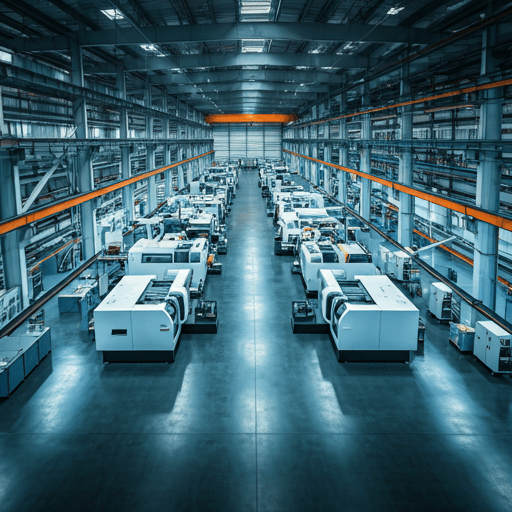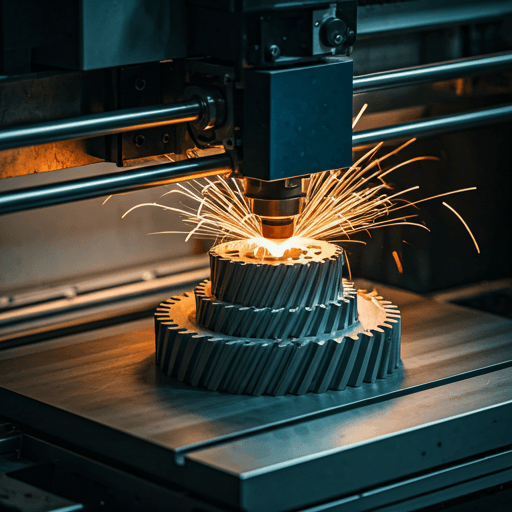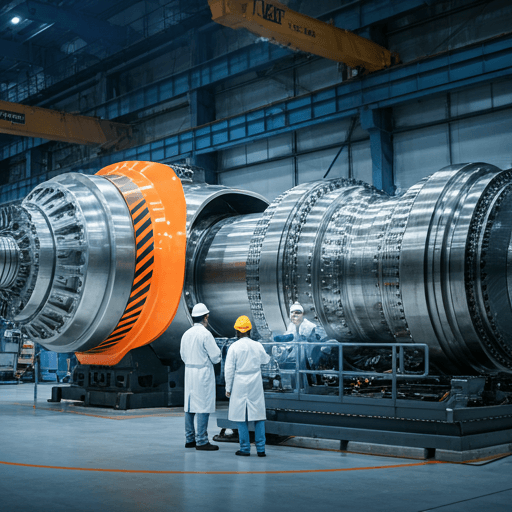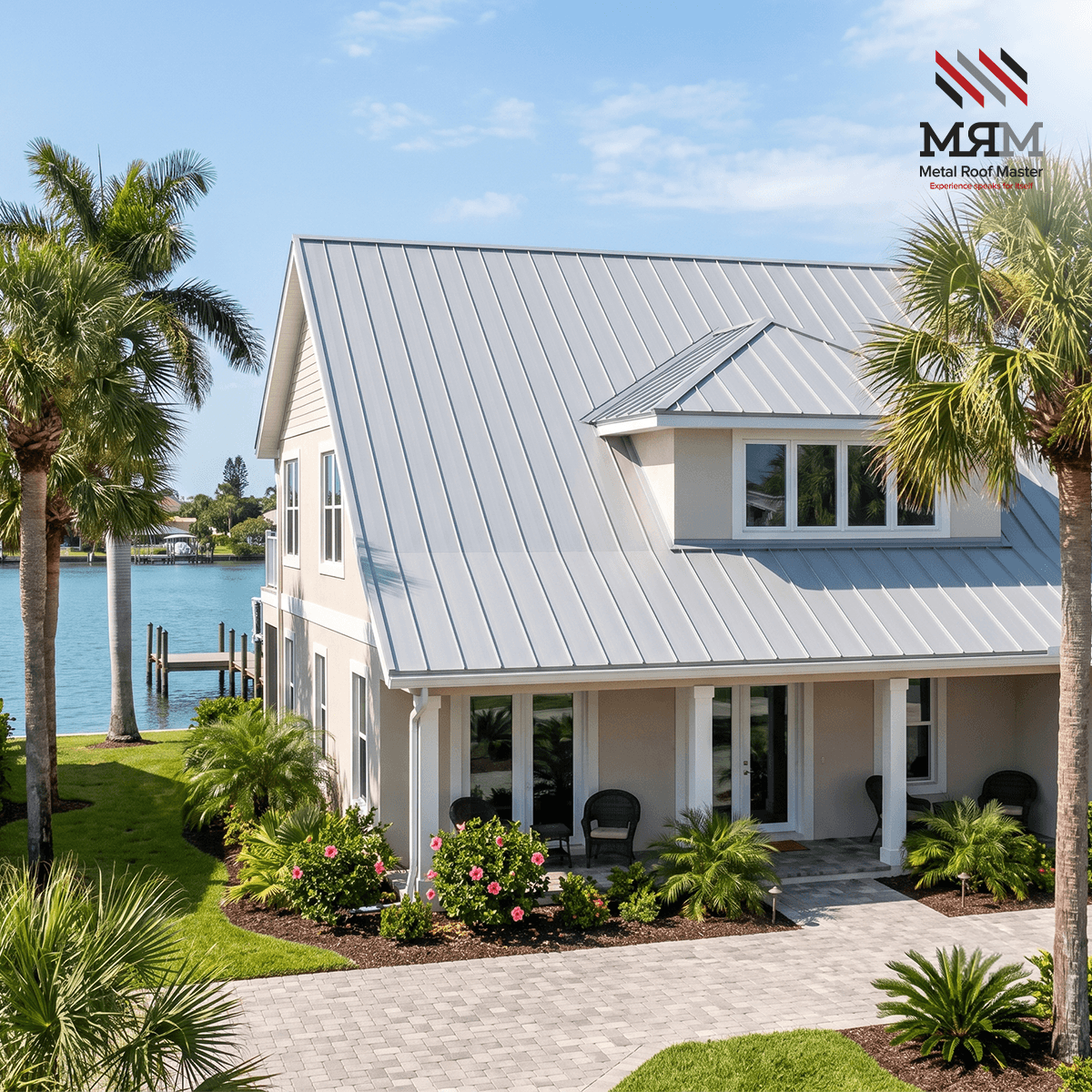
Every standing seam panel starts as flat coil that passes through a roll-forming machine before it ever becomes a roof profile. Homeowners rarely think about where that machinery comes from, but the global sourcing of roofing manufacturing equipment shapes panel quality, tolerance consistency, and — indirectly — the reliability of the supply chain behind a roofing project.
What Roll-Forming Machinery Actually Does
A roll-forming line takes flat steel coil and progressively bends it, through a series of rollers, into a finished panel profile — standing seam, corrugated, or another shape.
● Standing seam lines in particular require tight tolerance control, since panel edges need to interlock precisely along a roof's full run length
● Machine quality directly affects panel consistency: a poorly calibrated or low-tolerance machine can produce panels with dimensional drift that shows up as installation problems later
● This is upstream, factory-side equipment — it isn't something a homeowner interacts with directly, but its output quality carries through to the finished roof
Where This Machinery Is Manufactured
Roll-forming and metal building machinery manufacturing is concentrated among a relatively small number of specialized global producers, rather than being a widely distributed manufacturing category.
● Established machinery-manufacturing regions include parts of East Asia and Southeast Asia, where specialized industrial equipment manufacturing has developed significant scale and technical depth over the past two decades
● Component sourcing within a single machine is often itself international — a roll-forming line may combine a chassis manufactured in one country with name-brand components (PLCs, drive motors, hydraulic systems) sourced from established industrial suppliers elsewhere
● Buyers of finished roofing panels rarely see this layer of the supply chain directly, but it's the layer that determines whether a panel profile holds tolerance consistently across a large production run
Why Component Transparency Matters
Not every roll-forming machine built to the same general specification performs the same way in practice — the specific components inside it matter.
● Name-brand programmable logic controllers (PLCs) and drive components generally offer more consistent, serviceable performance over the equipment's operating life than unbranded equivalents
● A manufacturer transparent about which specific components are used in their machinery is giving a buyer (or, indirectly, a materials supplier evaluating a manufacturing partner) a way to verify quality claims rather than relying on marketing language alone
● This transparency question matters more for large-volume manufacturing operations than for any single homeowner project, but it affects the consistency of every panel a facility produces going forward
How Machinery Sourcing Connects to Material Sourcing
The equipment side of the supply chain and the raw coil side aren't fully separate conversations — they intersect in a few practical ways.
● A manufacturing facility's roll-forming capacity and tolerance capability directly affects how flexible it can be across different coil thicknesses, coating types, and profile requirements
● Facilities investing in modern, well-specified machinery are generally better positioned to run tight-tolerance profiles across the range of ASTM-certified materials a project might require
● This is part of why a supplier's manufacturing capability is worth understanding alongside their raw material sourcing — both layers affect the finished product
What This Means for a Buyer Evaluating Roofing Materials
Most of this machinery-sourcing detail sits well upstream of any individual homeowner decision, but it does inform a few practical questions worth asking a supplier.
● Ask whether the panels you're being quoted are manufactured in-house on the supplier's own equipment or through a third-party fabricator — this affects both quality consistency and lead time control
● A supplier who can speak specifically about their manufacturing equipment and process is generally demonstrating more direct control over final product quality than one reselling fabricated panels from an unnamed source
A Broader Industry Trend Worth Noting
Global roll-forming machinery sourcing has become a more visible topic within the roofing and metal building industry generally over the past several years, as manufacturing capability has spread beyond its traditional concentration.
● Facilities investing directly in modern machinery — rather than relying solely on outsourced fabrication — have generally been able to offer tighter turnaround times and more consistent tolerances
● This trend runs in parallel with, and is distinct from, the raw steel coil sourcing and trade policy trends covered elsewhere in this Industry Watch section
Frequently Asked Questions
Does the country where roll-forming machinery is manufactured affect the quality of the finished roofing panel?
Not directly by country of origin alone — the specific machine's tolerance capability and component quality matter more than its country of manufacture. A well-specified machine from any established manufacturing region can produce high-tolerance panels.
Is this the same topic as where the steel coil itself comes from?
No — this covers the manufacturing equipment that shapes coil into finished panels, which is a separate supply chain layer from the coil sourcing itself, though the two intersect at the manufacturing facility.
Why would a homeowner care about roll-forming machinery at all?
Indirectly: a manufacturer's equipment quality affects panel dimensional consistency, which affects how cleanly panels fit together during installation. It's not something to inspect directly, but it's a fair question to ask a supplier about their manufacturing process.
Are name-brand machine components actually better, or is that just marketing?
Established industrial component brands (PLCs, drive motors, hydraulics) generally have longer track records for serviceability and consistent performance, which is a legitimate, verifiable quality signal rather than a purely marketing-driven distinction — provided a manufacturer is transparent about which specific components they use.
Does machinery sourcing affect project lead times?
Indirectly, through manufacturing capacity — a facility with modern, well-maintained equipment generally has more reliable production throughput than one running older or poorly serviced machinery.