Stainless steel sits at the top of the metal roofing material hierarchy on both cost and corrosion resistance, and it's rarely the default recommendation for a standard residential project — but for a specific set of applications, it's genuinely the right call rather than an unnecessary upgrade. This guide breaks down what makes stainless steel different from coated carbon steel options like Galvalume or ZAM, and where the extra cost is actually justified.
What Makes Stainless Steel Different
Unlike Galvalume, GI, or ZAM — all of which are carbon steel with an applied protective coating — stainless steel resists corrosion through its own alloy chemistry rather than a separate coating layer. Adding a minimum of 10.5% chromium content, per ASTM A240's specification for chromium and chromium-nickel stainless steel plate, sheet, and strip, causes a thin, self-healing chromium oxide layer to form on the surface, protecting the base metal without relying on paint or a metallic coating that can wear down over time.
• Because the corrosion resistance is inherent to the alloy rather than a surface coating, a scratch or cut edge doesn't expose an unprotected base metal the way a scratched coated-steel panel does
• Common roofing-grade stainless alloys include 304 and 316, with 316 offering superior corrosion resistance in high-chloride environments due to its added molybdenum content
• ASTM A480 governs the general requirements — dimensional tolerances, surface finish, and testing — that apply alongside A240 for any stainless sheet or strip product
Where Stainless Steel Roofing Actually Makes Sense
Given its cost premium over Galvalume or aluminum, stainless steel roofing is generally reserved for applications where its specific properties solve a problem those other materials can't.
• Coastal and marine environments with extreme, sustained salt-spray exposure, where even aluminum's corrosion resistance may not match stainless steel's long-term performance in the harshest conditions
• Food processing plants and chemical facilities, where stainless steel's resistance to a wide range of chemical exposure (not just salt air) is a functional requirement rather than a preference
• High-end architectural projects where stainless steel's appearance and exceptionally long service life are specifically part of the design intent, not just a performance decision
• Applications with specific hygiene or cleanability requirements, since stainless steel's smooth, non-porous surface is easier to clean and sanitize than painted alternatives
Cost Considerations
Stainless steel coil generally costs meaningfully more than Galvalume, ZAM, or even aluminum coil, reflecting both the alloy's higher chromium and nickel content and the additional processing involved in stainless steel production. For a typical residential roofing project without extreme exposure or specialized functional requirements, this premium is difficult to justify against the real-world performance of properly specified Galvalume or aluminum.
• 304 stainless generally costs less than 316, reflecting 316's added molybdenum content and superior chloride resistance
• The cost gap between stainless and coated carbon steel options has narrowed less over time than some other material categories, meaning the premium remains a persistent factor in most project comparisons
• For most Florida coastal residential and light-commercial projects, Galvalume or aluminum delivers comparable practical service life at meaningfully lower cost — stainless steel's advantage becomes clearest at the most extreme end of exposure or functional requirements
Comparing Stainless to Aluminum for Coastal Projects
Since both stainless steel and aluminum resist corrosion through their own material chemistry rather than an applied coating, they're the two materials most often compared for the most demanding coastal applications, ahead of any coated carbon steel option.
• Aluminum is significantly lighter than stainless steel, which can matter for structural load considerations on older buildings
• Stainless steel generally offers greater mechanical strength and impact resistance than aluminum at a comparable thickness, which can matter for high-traffic or industrial applications
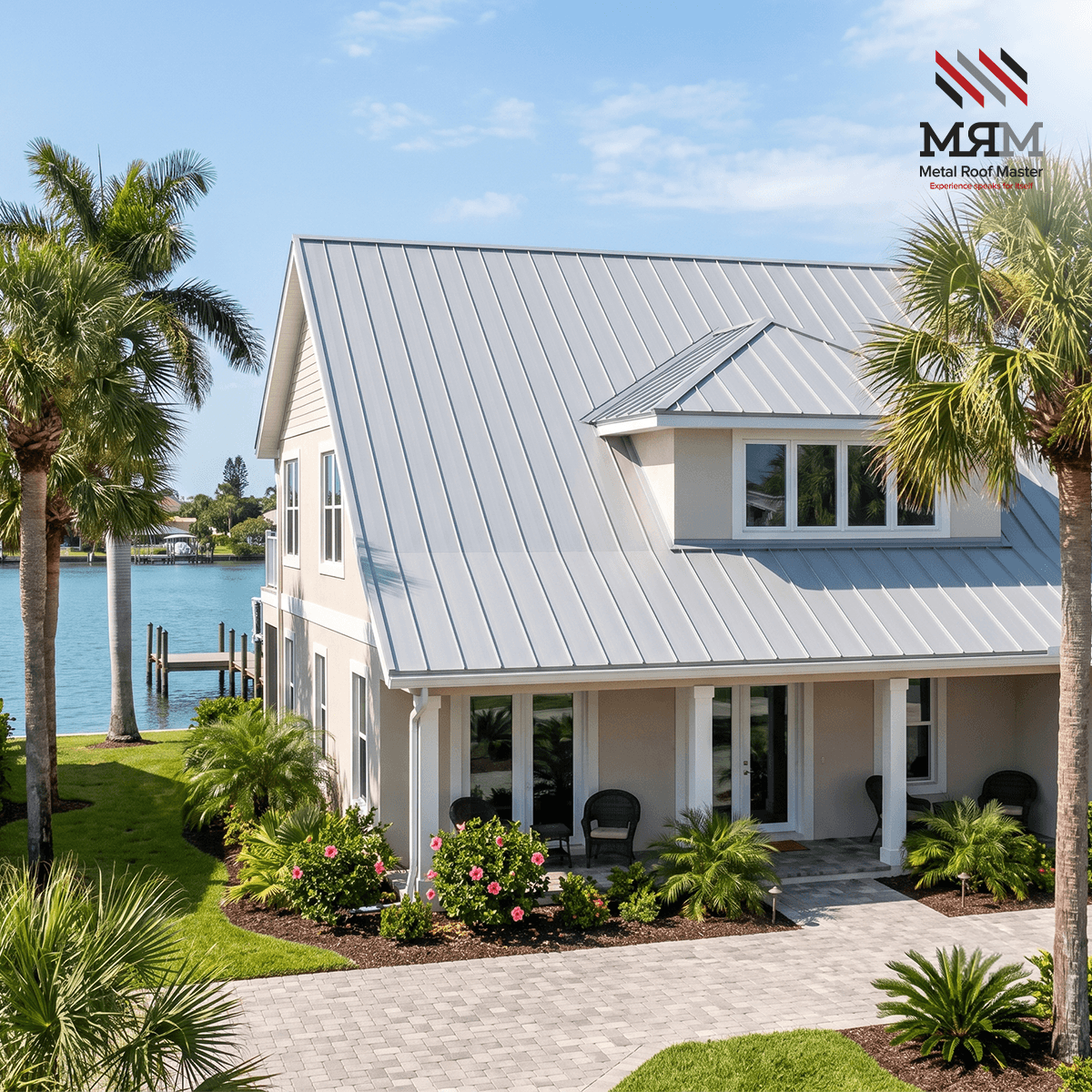
• For most coastal residential and light-commercial roofing, aluminum's lower cost and lighter weight make it the more common choice even in high-salt environments, with stainless steel reserved for the specific functional cases described above
Confirming You're Getting True Stainless Roofing Material
Given the cost premium, it's worth confirming any stainless steel roofing quote actually specifies a genuine roofing-grade alloy with proper documentation, rather than assuming "stainless" alone guarantees a specific performance level.
• Ask for the specific alloy grade (304, 316, or another) and confirm it against ASTM A240 documentation for chemical composition and mechanical properties
• Request mill test certificates confirming the actual chromium, nickel, and (for 316) molybdenum content match the specified grade
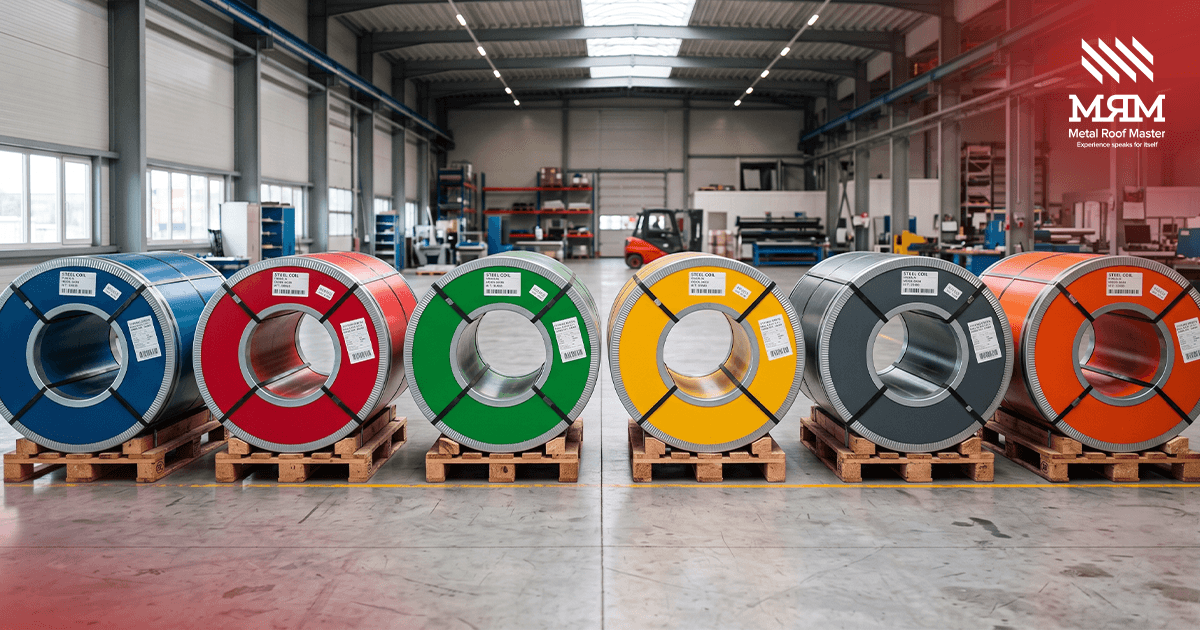
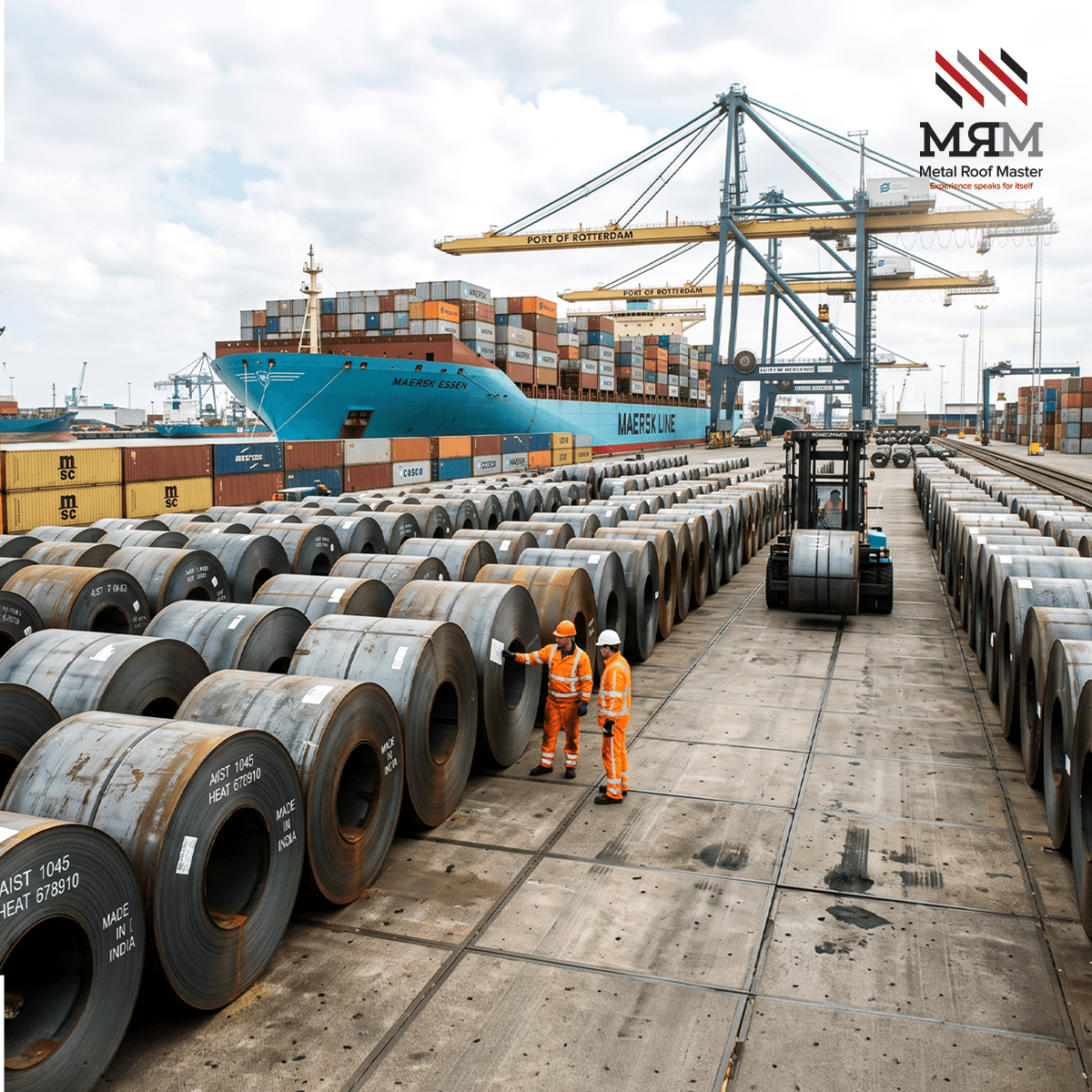
• A steel coil supplier in the USA offering ASTM certified steel coil across multiple grades, including stainless, can provide the documentation needed to confirm you're getting what you're paying the premium for
Finish Options and Appearance Considerations
Stainless steel roofing is available in several surface finishes, and the finish selected affects both appearance and, to some degree, practical performance in a roofing application — a detail worth discussing with your supplier beyond simply specifying "stainless steel."
• Mill finish (the standard as-produced surface) is the most economical option and shows normal handling marks and a duller appearance than polished finishes
• Brushed or satin finishes offer a more refined architectural appearance at a modest cost increase over mill finish
• Highly polished or mirror finishes are typically reserved for accent or architectural feature applications rather than full roof coverage, given both cost and the increased visibility of any surface imperfections or fingerprints over a large exposed area
For most roofing applications, a mill or brushed finish provides the practical corrosion-resistance benefit of stainless steel without the added cost of a more decorative surface treatment better suited to smaller architectural accents.
Installation Considerations Specific to Stainless Steel
Stainless steel's mechanical properties differ enough from carbon steel and aluminum that installation practices and tooling sometimes need adjustment, which is worth confirming with your contractor if stainless is being considered.
• Stainless steel is generally harder to form and cut than coated carbon steel, which can require different tooling and more experienced fabrication for custom flashing and trim details
• Fastener selection matters as much on stainless as on any other panel material — using incompatible fastener metals can cause galvanic corrosion at contact points, undermining the very corrosion resistance the material is chosen for
• Not every roofing contractor has direct experience installing stainless steel panel systems, since it's a less common specification than Galvalume or aluminum — confirming a contractor's specific stainless steel experience is worth doing before committing to the material
Frequently Asked Questions
Is stainless steel roofing worth the extra cost over Galvalume?
For most standard residential and light-commercial projects, no — Galvalume or aluminum typically delivers comparable practical performance at a lower cost. Stainless steel's premium is best justified for extreme coastal exposure, chemical-resistance requirements, or specific architectural applications.
What's the difference between 304 and 316 stainless steel for roofing?
316 stainless contains added molybdenum, giving it superior resistance to chloride-induced corrosion compared to 304 — an advantage in high-salt coastal environments, though it comes at a higher cost than 304.
Does stainless steel roofing need a protective coating like Galvalume does?
No. Stainless steel's corrosion resistance comes from its chromium content forming a self-healing oxide layer, rather than from an applied metallic or paint coating — this is the fundamental difference from Galvalume, GI, or ZAM.
Is stainless steel better than aluminum for coastal roofing?
Both resist corrosion through inherent material chemistry rather than a coating, and both perform well in coastal exposure. Aluminum is lighter and generally more economical, while stainless offers greater mechanical strength — the right choice depends on the specific application's structural and functional requirements.
Does stainless steel roofing require special installation experience?
Yes, to some degree. Stainless steel is harder to form and cut than coated carbon steel or aluminum, and not every roofing contractor has direct stainless steel installation experience — it's worth confirming this specifically rather than assuming general metal roofing experience covers it.