Salt-laden coastal air is one of the more demanding environments a roofing material has to withstand, and it doesn't affect every metal roofing product equally. Understanding what actually drives coastal corrosion — and which coating and material choices resist it — helps explain why the same-looking roof can perform very differently a mile from the water versus twenty miles inland.
Why Coastal Air Is Harder on Metal Roofing
Airborne salt particles carried by ocean breezes settle on any exposed surface, including a roof, and accelerate the electrochemical corrosion process in ways drier inland air doesn't.
● Salt deposits act as an electrolyte, which speeds up the oxidation reactions that cause metal corrosion when combined with routine moisture exposure (rain, humidity, condensation)
● Proximity to the coastline matters directly — corrosion risk generally decreases with distance inland, though wind patterns and local geography affect exactly how far salt exposure carries
● Homes directly on open ocean-facing exposure typically face more aggressive conditions than canal-adjacent or bay-facing properties a similar distance from open water, due to differences in wave action and prevailing wind exposure
How Coating Type Affects Corrosion Resistance
Not all coated steel roofing performs the same way in coastal exposure — the specific coating chemistry is the main variable.
● Standard hot-dip galvanized (GI) coatings offer solid general corrosion protection but are generally considered less suited to direct, aggressive coastal exposure than more advanced coating systems
● 55% aluminum-zinc alloy coatings (Galvalume) combine the barrier protection of aluminum with the sacrificial (galvanic) protection of zinc, offering meaningfully better coastal durability than standard galvanized coatings in most published comparisons
● Zinc-aluminum-magnesium (ZAM) coatings add magnesium to the alloy mix, which several manufacturer and industry studies associate with further improved edge-cut and scratch corrosion resistance compared to standard Galvalume, particularly useful given that job-site cutting and fastening inevitably expose some raw edges
● A PVDF (polyvinylidene fluoride) paint finish over any of these coatings adds a further protective and UV-stable top layer, though the paint finish protects against fade and chalking more than it changes the underlying substrate's corrosion resistance
Why Aluminum and Stainless Steel Sometimes Enter the Conversation
For the most aggressive direct-oceanfront exposures, some buyers look beyond standard coated steel toward aluminum or stainless steel roofing.
● Aluminum roofing doesn't rely on a coating for corrosion resistance — its natural oxide layer is inherently corrosion-resistant, which can be an advantage in extreme salt exposure, though aluminum has different structural and cost characteristics than coated steel
● Stainless steel roofing offers strong inherent corrosion resistance as well, generally at a higher material cost, and tends to be evaluated project-by-project for extreme exposure or high-end architectural applications rather than as a default coastal choice
Fasteners and Flashing Matter as Much as the Panel
A coastal corrosion strategy that only considers the panel material while overlooking fasteners and flashing details is incomplete.
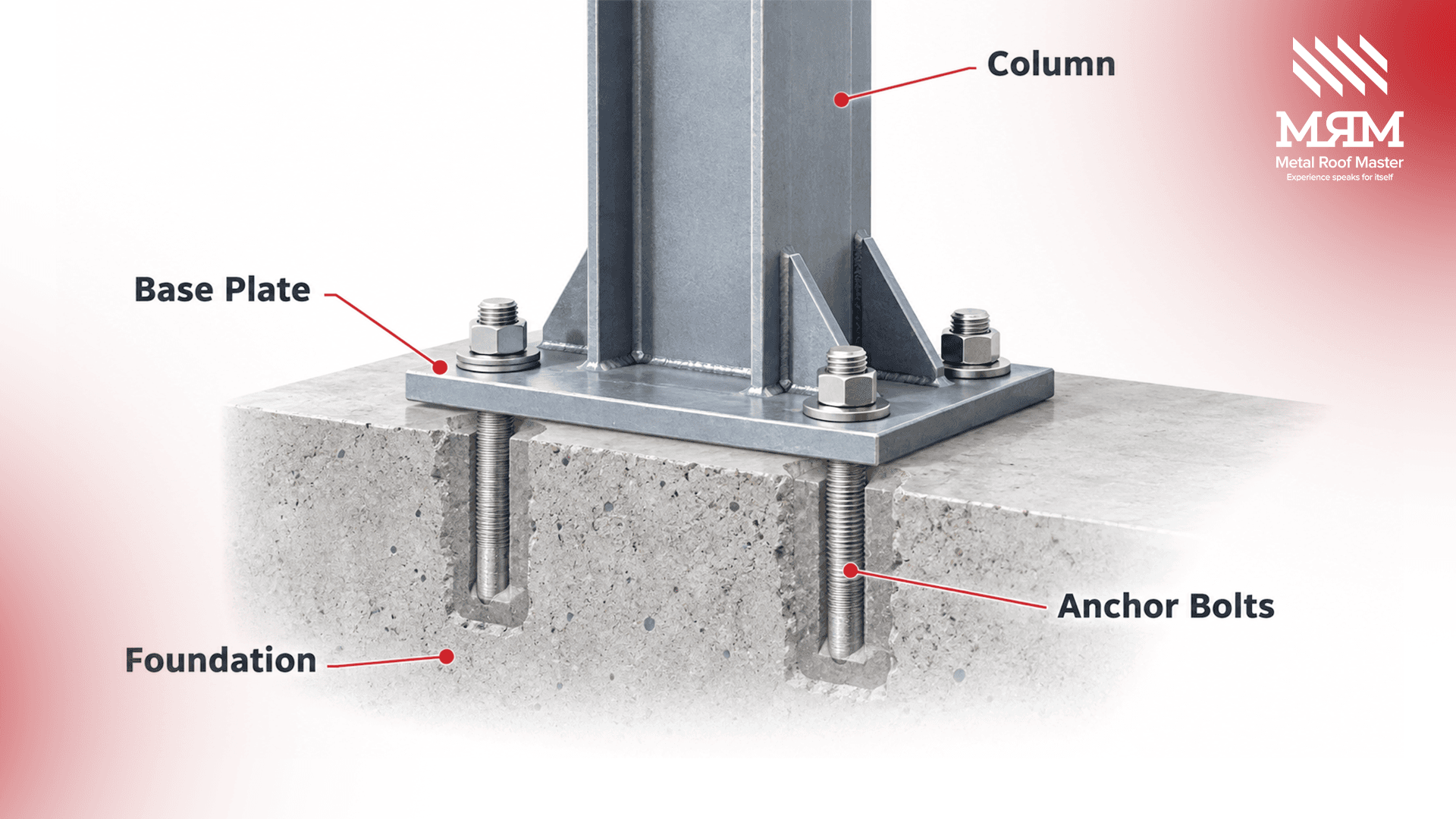
● Fastener corrosion at an exposed screw head is a common, visible early failure point, even on a panel material that's otherwise holding up well — matching fastener coating and material to the panel system matters
● Dissimilar metal contact between certain metals can accelerate galvanic corrosion at contact points; flashing, fasteners, and panel material should generally be selected as a compatible system rather than mixed without consideration
● Cut panel edges exposed during fabrication or installation are inherently more vulnerable than factory-coated flat surfaces, which is part of why coating chemistry at the edge (not just the visible face) matters in coastal applications
Maintenance Habits That Extend Coastal Roof Life
Coating and material selection set the baseline, but ongoing maintenance meaningfully affects how a coastal roof performs over its service life.
● Periodic rinsing to remove accumulated salt deposits, particularly after dry spells with limited natural rainfall, reduces the concentration of salt sitting on the roof surface over time
● Regular visual inspection for early coating degradation, especially at fastener heads, panel edges, and flashing details, catches small issues before they become larger repair items
● Debris accumulation (leaves, organic material) in valleys and at panel laps can trap moisture and salt against the surface longer than an otherwise clear roof would, so keeping these areas clear is a simple, meaningful habit
Putting This Into a Material Decision
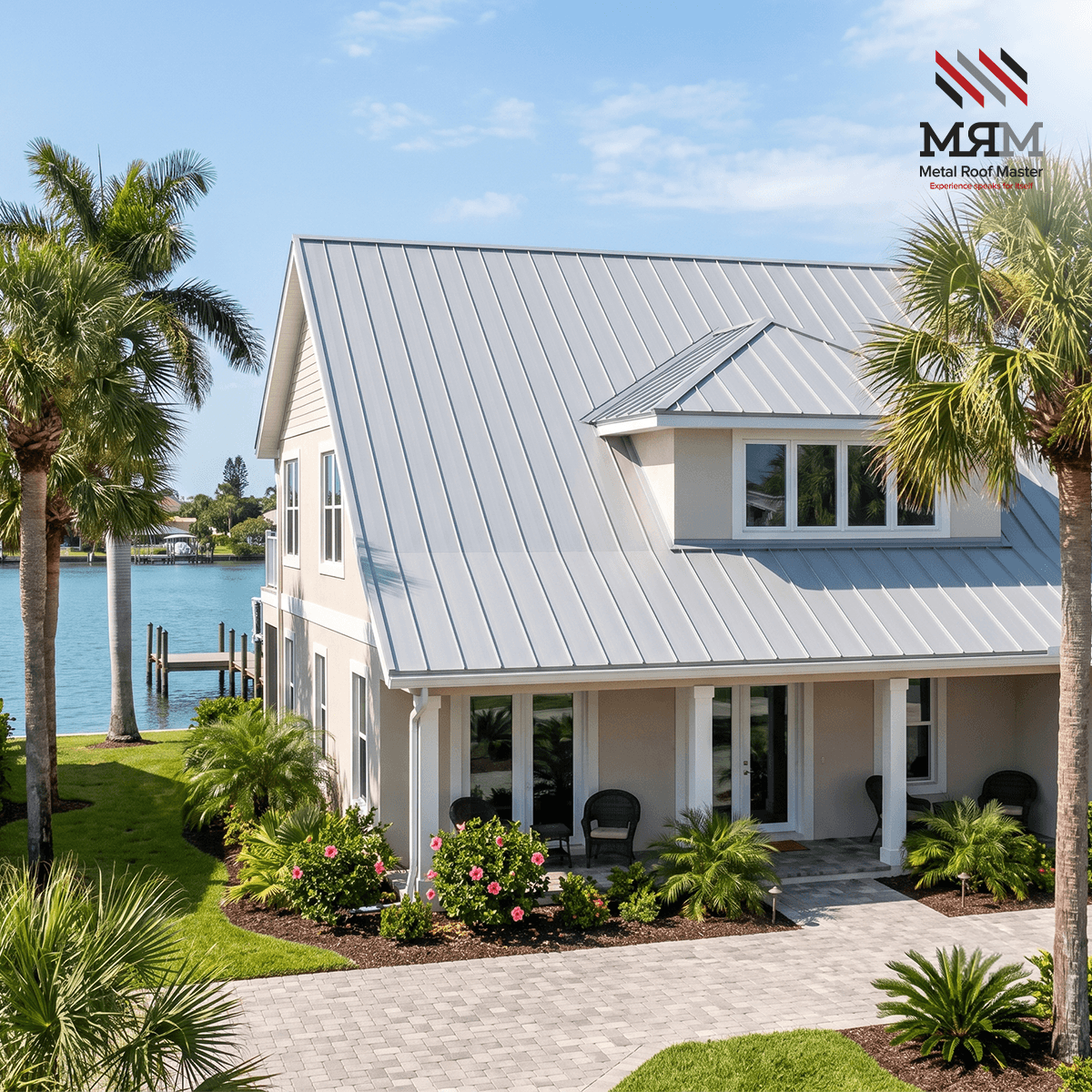
For most Miami-Dade and Broward properties, standard advanced coatings (Galvalume or ZAM) with a PVDF finish provide a well-established, cost-effective balance of coastal durability and price for the vast majority of projects — reserving aluminum or stainless steel for the most extreme exposure or specific architectural requirements.
Frequently Asked Questions
How much closer to the ocean does corrosion risk actually increase?
Risk generally increases the closer a property sits to open water, though exact distance thresholds vary by local wind patterns and geography — a qualified local supplier or contractor can generally speak to your specific address's relative exposure level.
Is ZAM coating necessary for every coastal Miami property, or only oceanfront homes?
ZAM offers a meaningful upgrade over standard Galvalume primarily for the most direct, aggressive coastal exposures. Many inland or canal-adjacent Miami-Dade properties are well-served by standard Galvalume with a PVDF finish.
Does paint color affect corrosion resistance?
Paint finish (like PVDF) primarily protects against fade, chalking, and UV degradation rather than changing the underlying metal's corrosion chemistry — corrosion resistance comes mainly from the metallic coating layer beneath the paint.
Can I mix aluminum flashing with a steel panel roof?
Dissimilar metal contact between aluminum and certain steel coatings can accelerate galvanic corrosion at contact points, so flashing and panel materials should generally be selected as a compatible system — ask your supplier or contractor to confirm compatibility for your specific products.
Does regular rinsing actually make a measurable difference?
Reducing the concentration of accumulated salt on a roof surface is a widely recommended coastal maintenance practice, though the measurable service-life benefit varies by exposure level and how consistently it's done.